
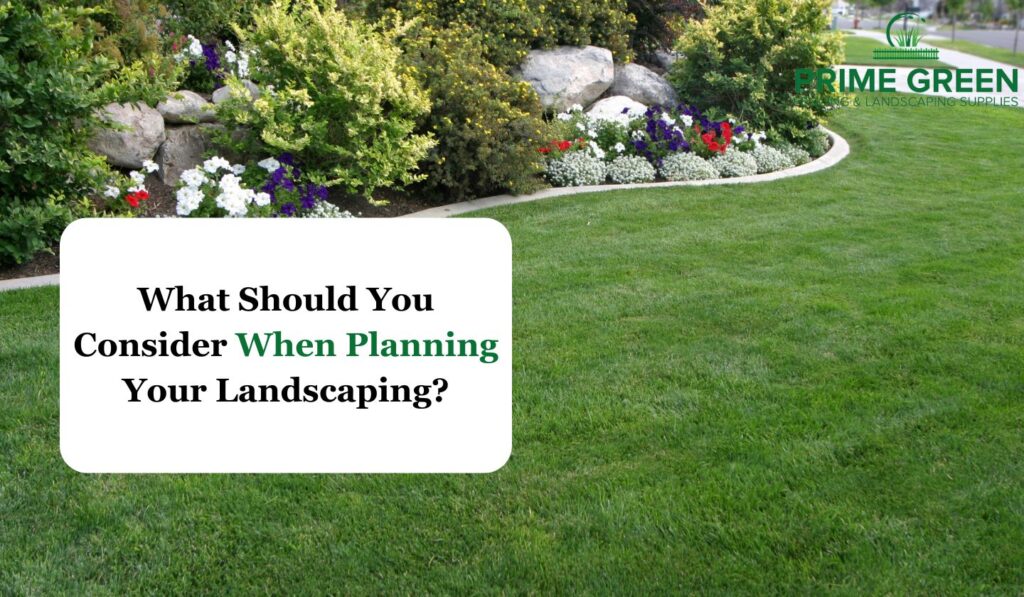
Planning a landscaping project, whether a minor adjustment or a complete overhaul, requires proper planning. A well-thought-out plan not only enhances the aesthetics of your outdoor space but also ensures functionality and sustainability.
In this blog, you’ll learn about the key reasons you should consider when planning your cohesive and flourishing landscape. Plus, how our premium fencing supplies in Melbourne will help you in getting your dream landscaping. So, stay with us till the end!
Understand Your Yard
Your yard’s specific characteristics play a vital role in planning. Consider these factors:
- Regional Climate: Understand your area’s climate and how it affects plant growth.
- Soil Type: Test the soil to determine its composition and nutrient levels.
- Microclimates: Analyse your yard’s microclimates based on sun and shade exposure
- Topography: Study the site’s slopes and water drainage patterns to avoid waterlogging or erosion.
Purpose of Your Yard
Who will use the space? This question shapes your landscaping design.
- Family-Friendly Spaces: Include areas for children and pets.
- Walkways: Use paths to connect different zones seamlessly.
- Entertainment Areas: Designate spots for outdoor dining or lounging.
- Maintenance: Factor in your capacity to maintain the space or budget for professional services.
Choose A Theme
A theme ensures cohesion in your landscaping design. Consider these options:
- Architectural Harmony: Align your yard’s design with your home’s architecture.
- Themed Gardens: Opt for styles such as Oriental gardens, minimalist designs, or rustic landscapes.
- Consistent Elements: Use repetitive shapes, textures, and materials to tie the space together.
Link & Organise Spaces
Maximise your yard’s potential by treating it as an extension of your home.
- Create Zones: Define areas for dining, play, and relaxation using plants and hardscape.
- Strategic Plant Placement: Use plants as natural barriers, temperature regulators, and windbreakers.
- Seamless Flow: Design pathways to connect spaces and invite exploration.
Evaluate Your Site’s Natural Attributes
Before starting, take time to observe and understand your site’s natural features. This is especially critical in areas like Melbourne, where weather conditions can be unpredictable. Key considerations include:
- Areas prone to high humidity or dryness.
- Natural drainage patterns and existing vegetation.
- Zones with consistent sun exposure or strong winds.
Prioritise Sustainability
Sustainability is at the core of modern landscaping. Here are some eco-friendly practices to consider:
- Rainwater Harvesting: Install systems to collect and reuse rainwater for irrigation.
- Permeable Paving: Use materials that allow water to seep through, reducing runoff.
- Drought-Tolerant Plants: Opt for native species that thrive in local conditions and require minimal water and fertilisers.
Transform Your Outdoor Space With Prime Green Fencing
At Prime Green Fencing Supplies, one of the most trusted and reliable fencing suppliers, we offer a wide range of fencing and landscaping products and services.
We provide world-class fencing and landscaping supplies with top-notch, affordable services.
Our experts understand the individual needs of landscapers and provide them with products and services tailored to their specific requirements.
Whether you need durable fencing, decking, or landscaping materials, we provide solutions that blend beauty and functionality.
Contact Prime Green Fencing today and transform your outdoor space into an aesthetic and functional space like you always dreamed of!
FAQs
1. What factors should I consider when choosing plants for my landscape?
Consider the plant’s sunlight needs, water requirements, soil compatibility, and growth habits. Opt for native plants to ensure better adaptability and lower maintenance.
2. How can I make my landscaping more sustainable?
Incorporate rainwater harvesting systems, use drought-tolerant plants, and choose eco-friendly materials like permeable pavers. Avoid excessive use of fertilisers and pesticides.
3. How do I manage water drainage in my yard?
Analyse your yard’s slopes and drainage patterns. Install drainage systems like French drains or permeable pavements to prevent waterlogging.
4. How often should I update my landscape design?
Update your landscape every 5-10 years or as your needs change. Regular maintenance and occasional upgrades ensure it stays functional and attractive.